Ironing is an everyday job, yet one small mistake can leave fabric shiny, faded, stained or even scorched. Most of these problems come from the wrong temperature, misused steam or skipping the basics. Knowing the ten most common mistakes keeps your clothes looking new for much longer.
5 min read
10 common ironing mistakes that ruin clothes
Ironing is an everyday job, yet one small mistake can leave fabric shiny, faded, stained or even scorched. Most of these problems come from the wrong temperature, misused steam or skipping the basics. Knowing the ten most common mistakes keeps your clothes looking new for much longer.
5 min read
In this article
- 1. Not matching the temperature to the fabric
- 2. Ironing clothes that are bone dry
- 3. Ironing on the wrong surface
- 4. Ironing straight over prints and decoration
- 5. Not cleaning the soleplate
- 6. Ironing clothes that are not clean
- 7. Pressing too hard
- 8. Using steam the wrong way
- 9. Folding or wearing clothes straight away
- 10. Storing clothes badly afterwards
- The right way to iron, step by step
- In short
1. Not matching the temperature to the fabric
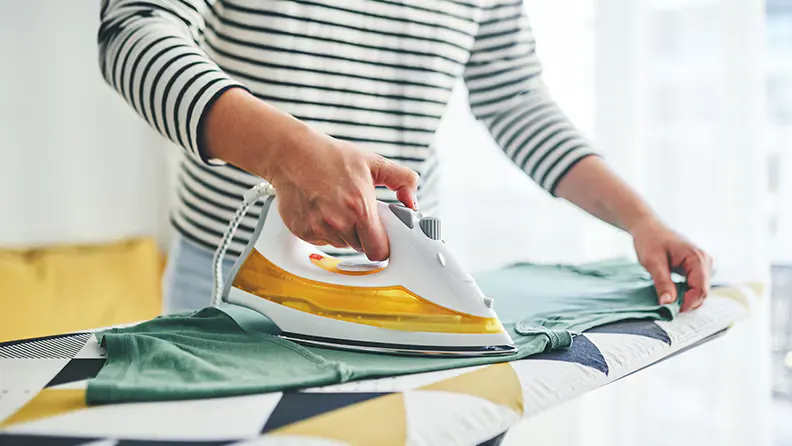
Using one temperature for everything is the most common mistake. Fabrics do not stand heat equally: a setting that suits cotton can damage delicate or synthetic fibres such as polyester, nylon or silk. Always read the care label first, and when in doubt, start low and raise the heat step by step.
2. Ironing clothes that are bone dry
Deep creases are hard to press out of completely dry fabric, so people push harder and go over the same spot again and again. Cotton and linen smooth out far more easily while slightly damp. Iron them a little before they are fully dry, or use steam or a light mist of water.
3. Ironing on the wrong surface
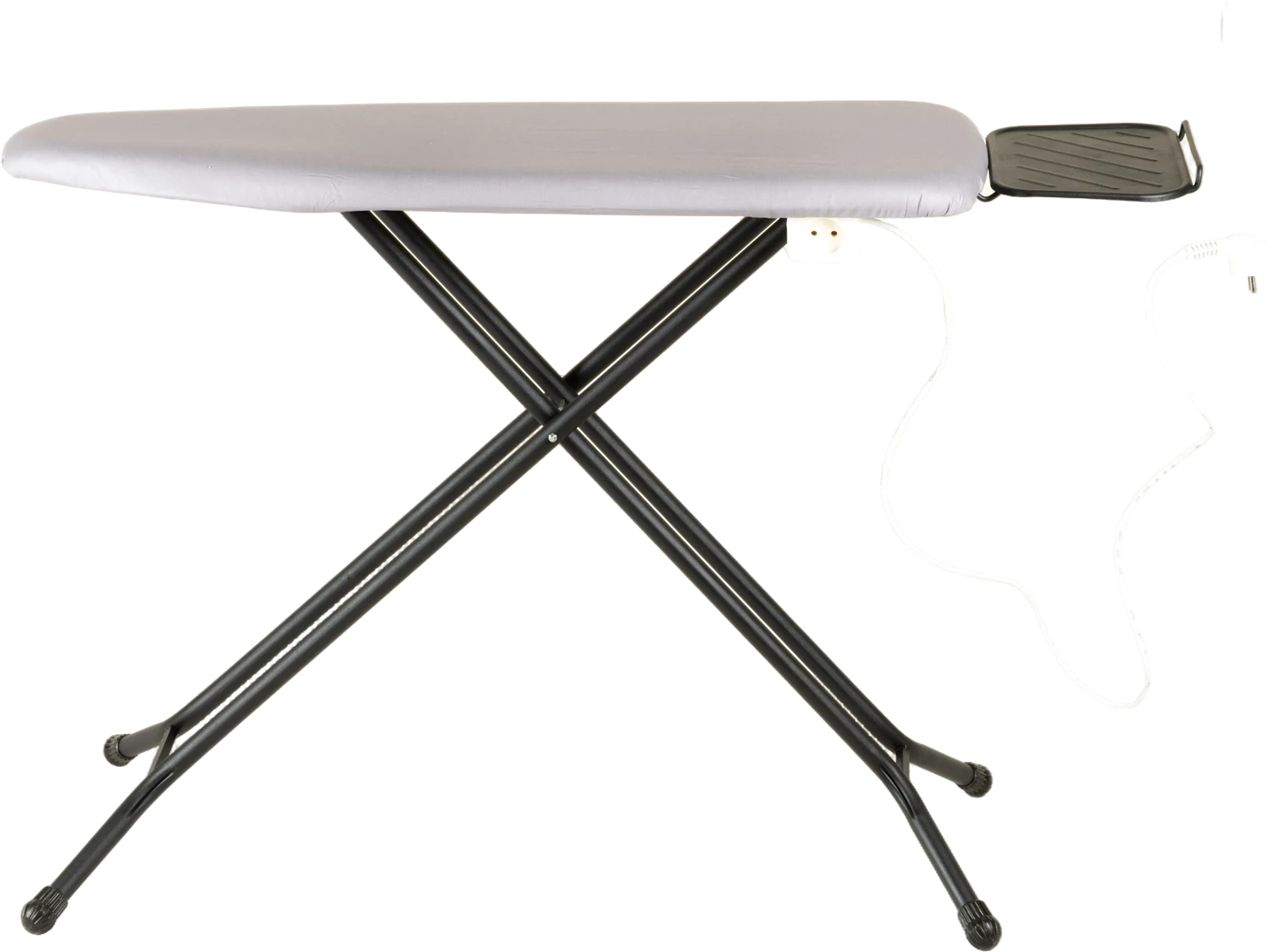
A bed, an ordinary table or any soft, uneven surface makes for poor results and can damage the surface underneath. You need a flat, stable board made for the heat, with a proper cover that keeps the garment still.
Tall or low ironing board?
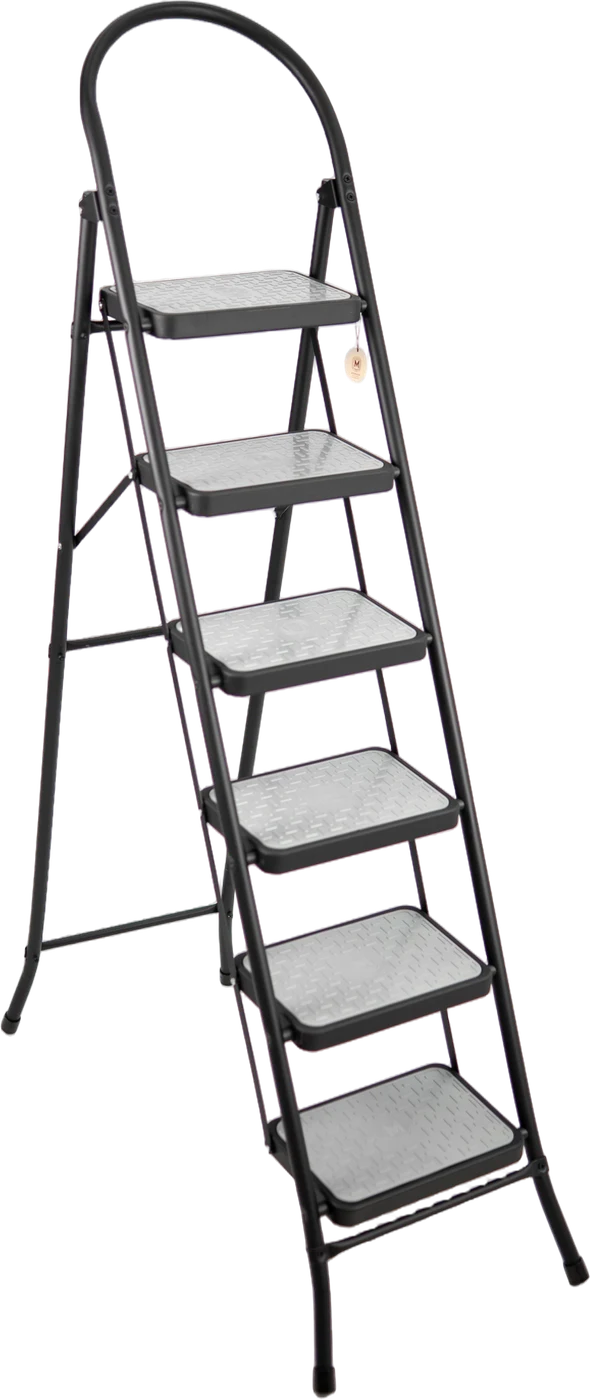
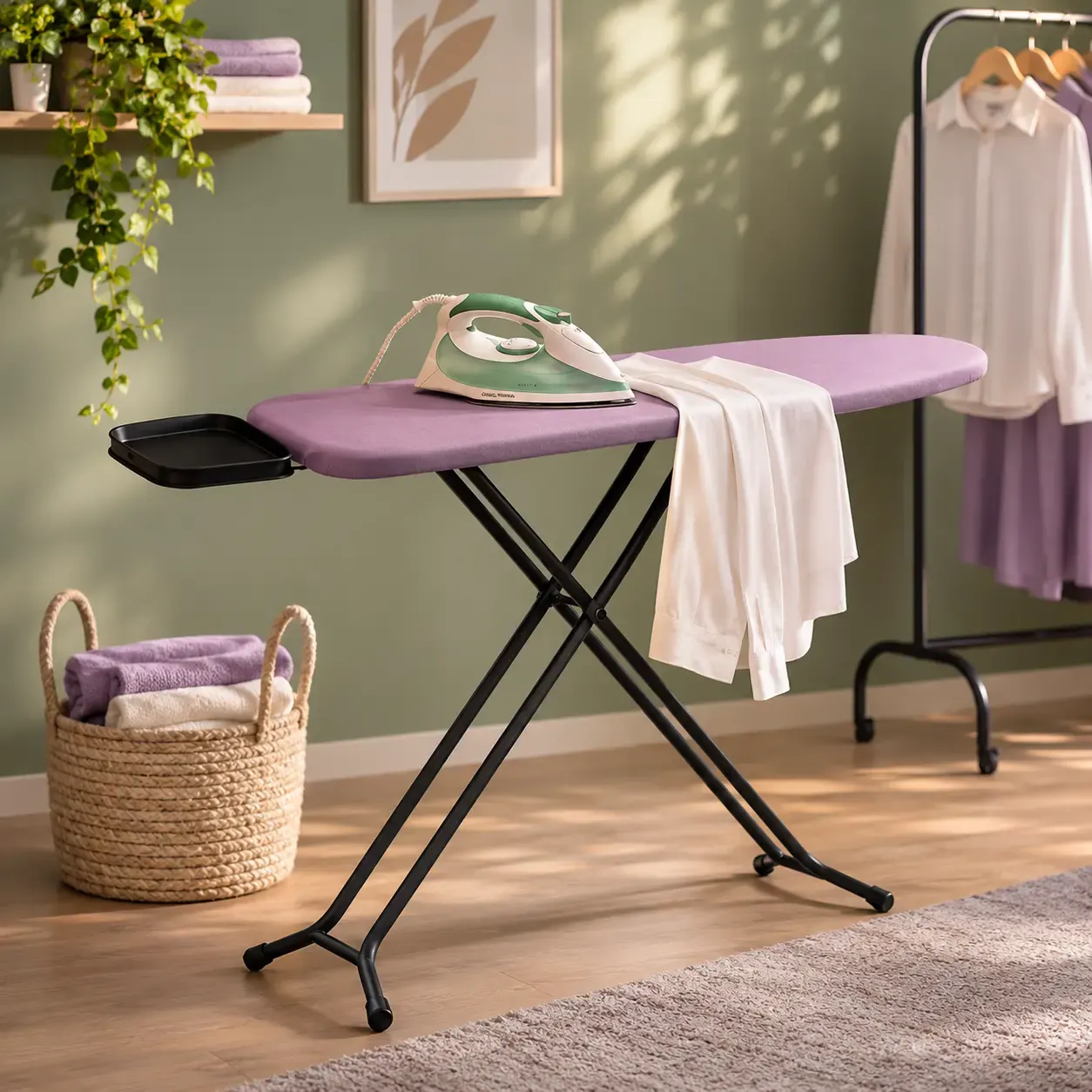
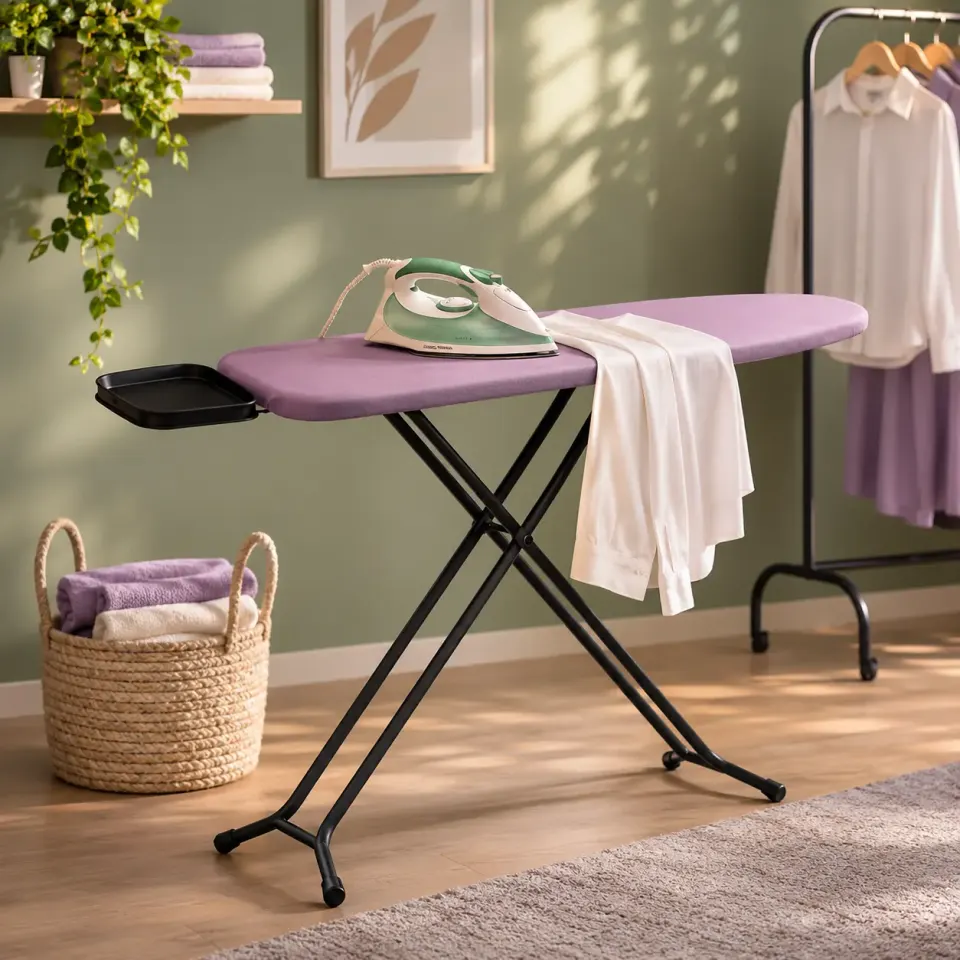
It depends on your home and how often you iron. A tall ironing board suits people who prefer to iron standing, gives more room for large garments, and with adjustable legs fits your height. A tabletop board suits small homes and quick jobs, and stores away in very little space. See all Merolin ironing boards.
4. Ironing straight over prints and decoration
Prints, lettering, plastic motifs and delicate trims can melt, warp or stick to the iron. Turn the garment inside out, or lay a thin cotton cloth between the iron and the print.
5. Not cleaning the soleplate
Sometimes the stain comes from the iron, not the fabric: limescale, burnt fibres and residue build up on the soleplate and transfer to clean clothes. Clean it regularly, following the maker’s instructions, and check it before ironing anything light-coloured.
6. Ironing clothes that are not clean
Heat can set food, grease and drink stains into the fibres and make them almost impossible to remove. Only iron clothes that are fully clean.
7. Pressing too hard
Pressing harder does not remove creases faster. Heavy pressure, especially with too much heat, damages the weave and is the main cause of shine.
Why do clothes turn shiny after ironing?
Shine appears most on dark fabrics and on some synthetic and wool fibres, when pressure and heat flatten the surface of the fibres. To avoid it, iron dark clothes inside out, use the right temperature, and put a pressing cloth between the iron and delicate fabric.
8. Using steam the wrong way
Steam is one of a modern iron’s best features, but used wrongly it leaves water marks, soaks the fabric or damages fabrics that do not tolerate moisture. Check the care label before using steam, and let the iron heat up fully first so it does not spit water.
9. Folding or wearing clothes straight away
Straight after ironing, a garment is still warm and may be slightly damp. Folding it or putting it under pressure at that moment creates new creases. Let it cool and dry on a hanger for a few minutes first.
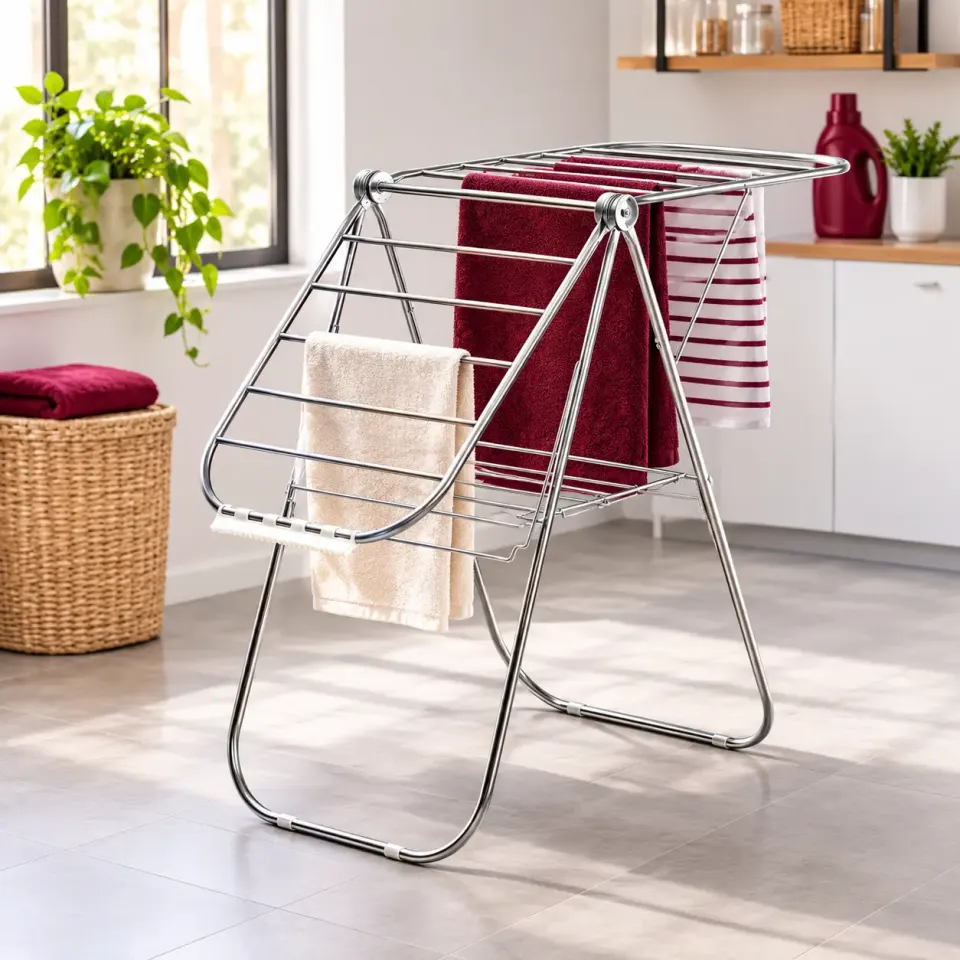
Hang freshly ironed clothes on a rail
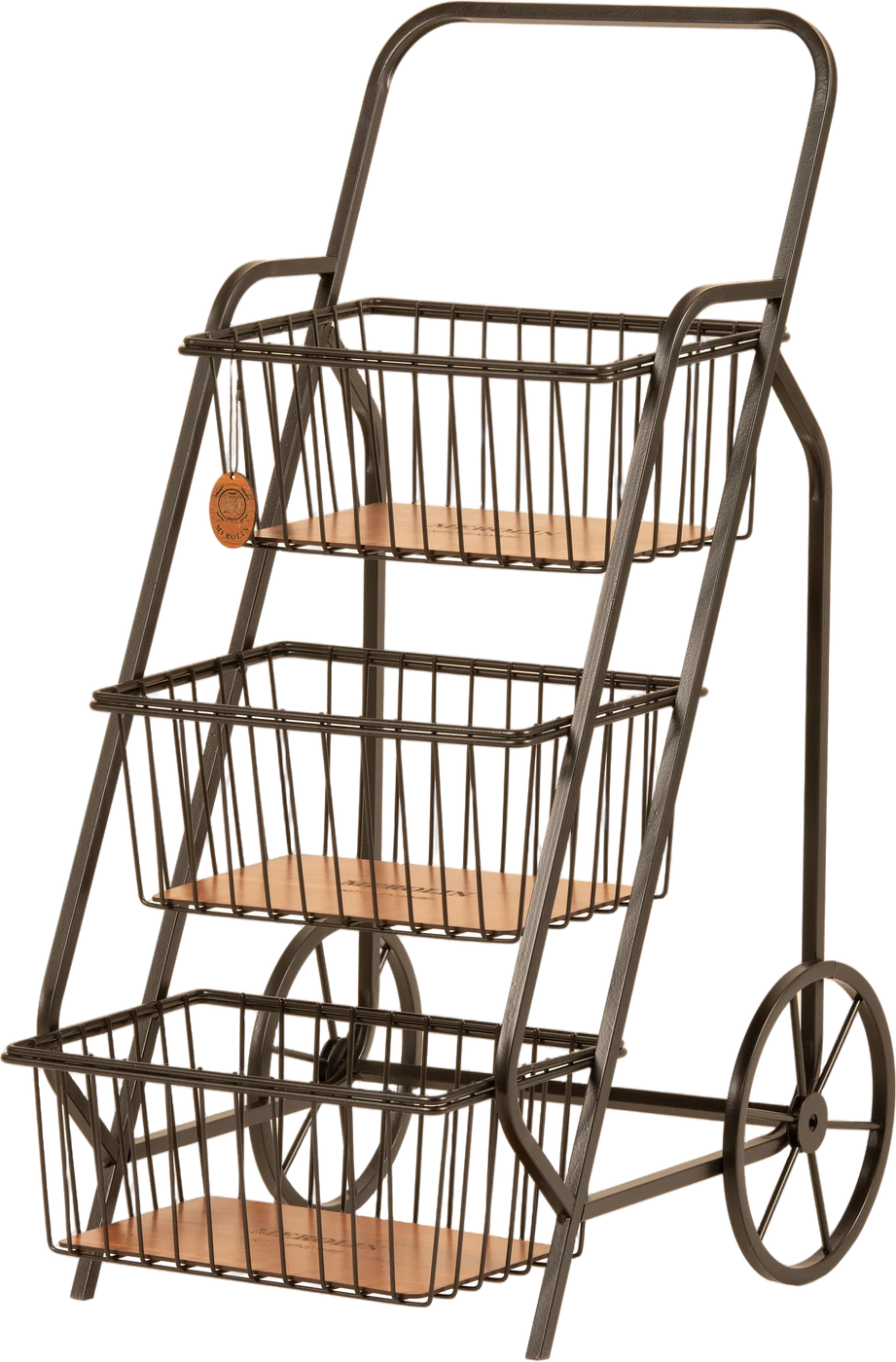
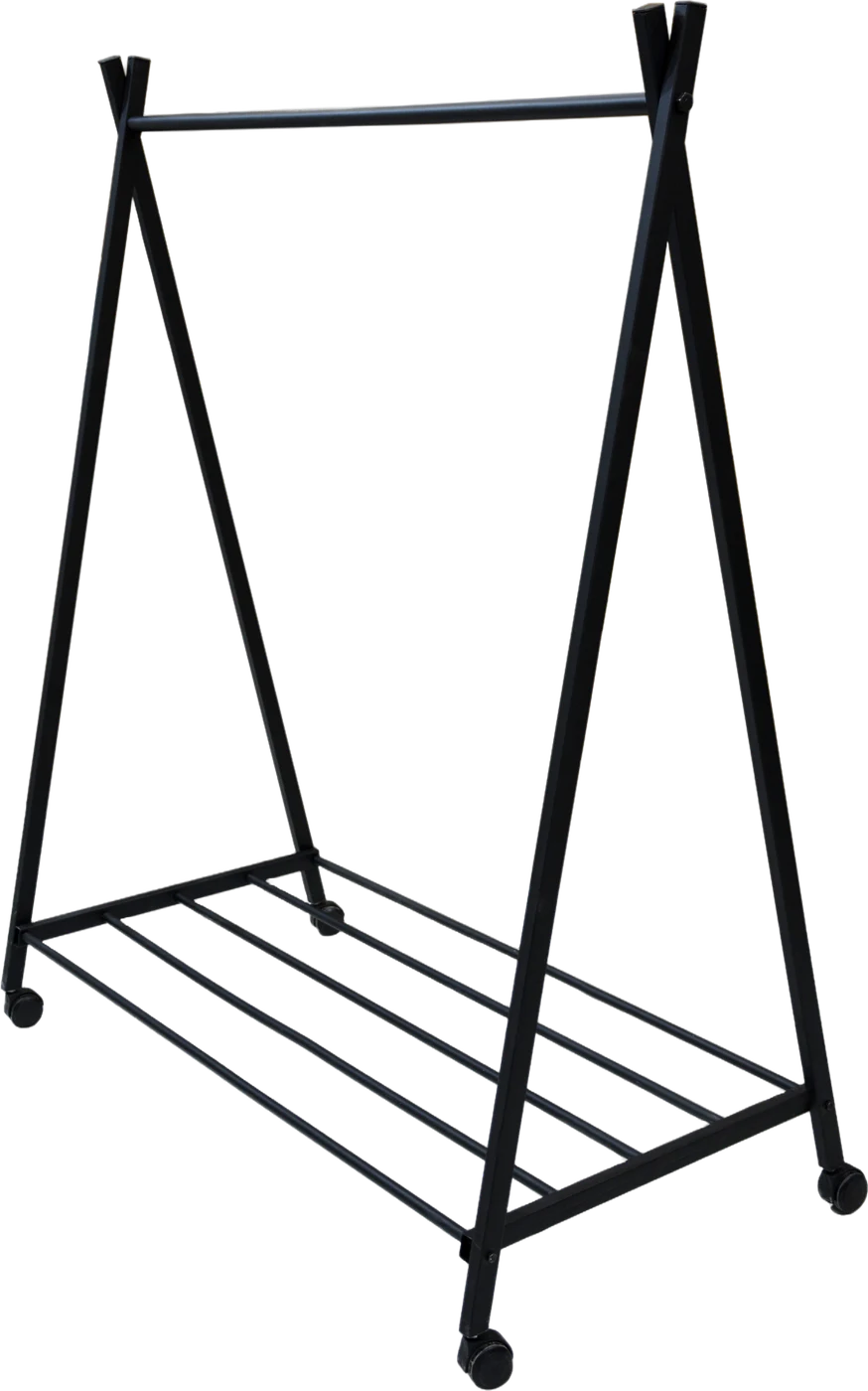
Hanging clothes on good hangers is the simplest way to stop them creasing again. Where wardrobe space is tight, or there is a lot to iron, a clothes rail keeps freshly ironed clothes in order until they are put away.
10. Storing clothes badly afterwards
Even perfect ironing is undone by poor storage. Too many clothes in a small space, careless folding and packed drawers all bring creases back. Leave room between hangers and fold clothes along their natural lines.

How wardrobe organisers help
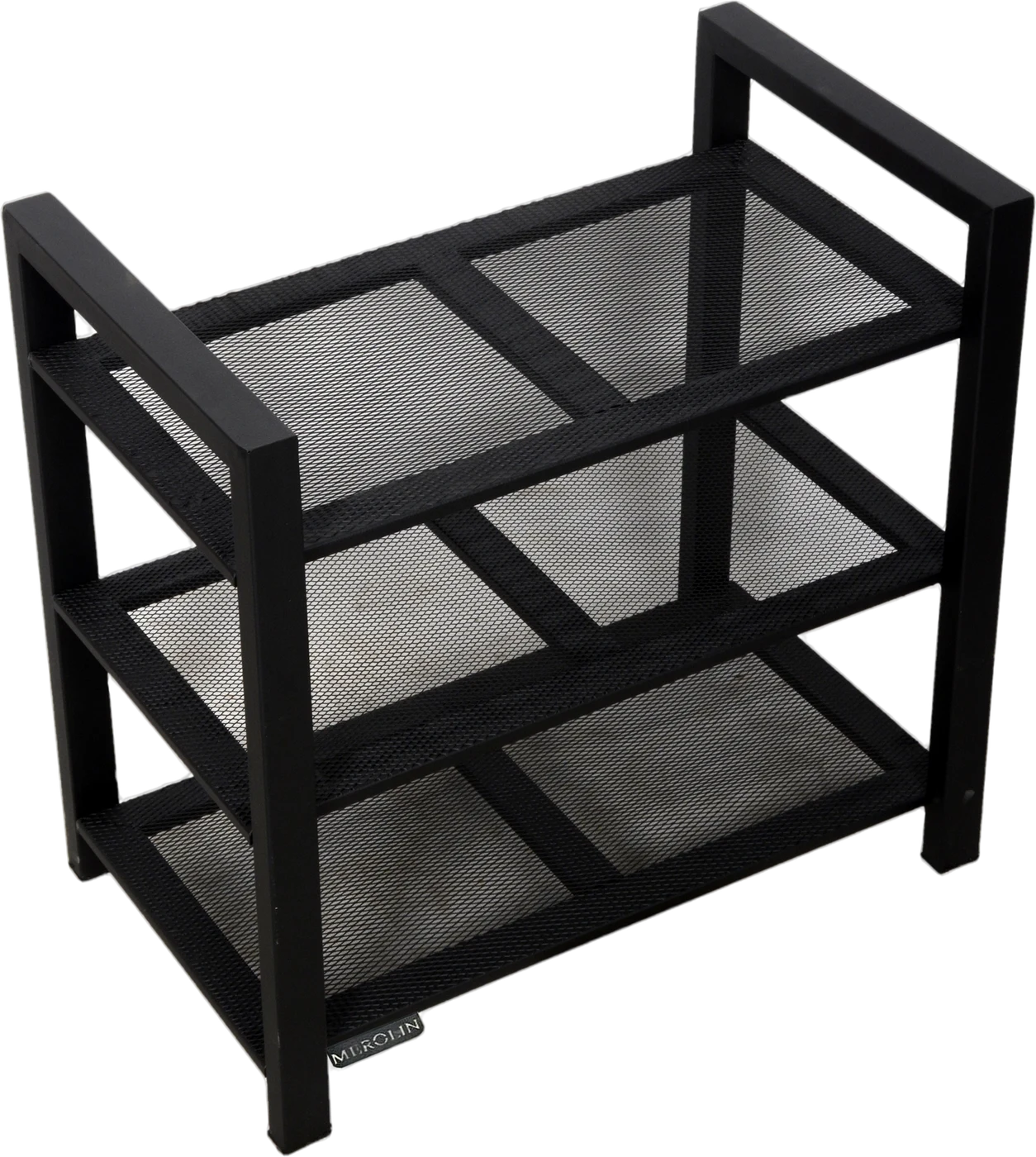
Wardrobe organisers sort clothes better and use the space more sensibly: baskets for folded clothes, socks and small things, and dividers for drawers, so nothing is crushed.
The right way to iron, step by step
| 1. Check | Read the fabric and the care label. |
| 2. Prepare | Make sure the garment is clean and stain-free. |
| 3. Surface | Use a stable ironing board with a good cover. |
| 4. Temperature | Set the iron for the fabric; start low. |
| 5. Iron | Move smoothly; do not press hard or stay in one spot. |
| 6. Hang | Let the garment cool and dry on a hanger. |
In short
Scorching, shine, warped prints and creases that come straight back usually come from skipping simple rules. The right temperature, careful steam, a clean soleplate and attention to the fabric protect your clothes and keep them looking their best for longer.
Why do clothes go shiny when ironed?
Usually from too much heat or pressure on certain fabrics. The right temperature, ironing inside out and a pressing cloth all reduce the risk.
Does ironing wet clothes damage them?
It depends on the fabric. Some clothes iron more easily when slightly damp, but ironing very wet clothes, or fabrics sensitive to moisture, can give poor results.
How do I stop clothes creasing after ironing?
Let them cool and dry completely, then hang them on a good hanger or fold them properly. A clothes rail and wardrobe organisers help keep them in order.
Can every fabric be ironed with steam?
No. Some fabrics are sensitive to steam and moisture. Check the care label and the iron’s instructions first.
Not sure which to choose?
Merolin's sales advisers are here to help.